성수생각Sung Soo's Thoughts
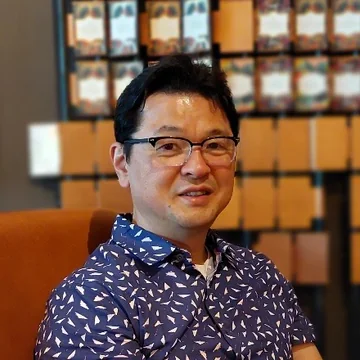
김성수 목사가 매주 전하는 글입니다.Weekly columns from Pastor Sung Soo Kim.
최근 글Recent columns
연재Series
지난 연재 · 제자 훈련 시리즈Past series · Discipleship온전한 영성을 향한 12주 여정A 12-Week Journey Toward Whole Spirituality
자연스런 영성과 생활화된 헌신Spirituality formed naturally, devotion lived out daily
12편 전체 펼쳐 보기 →Open all 12 columns →
영성은 만들어지는 것이 아니라 자라는 것입니다. 하나님과 연결된 사람에게서 영성은 삶으로 자연스럽게 흘러나오고, 생활화된 헌신은 그 흐름을 유지하는 의지입니다.Spirituality is not manufactured but grown. In a person connected to God it flows naturally into life, and a lived-out devotion is the will that keeps that flow going.
이 시리즈는 제자의 세 가지 특징 — 존재(Being) → 행동(Doing) → 재생산(Multiplying) — 을 따라 총 12편으로 구성됩니다. 신앙과 일상의 이중생활이 사라지고, 목장이 진짜 작은 교회로 살아나며, 한 사람이 또 한 사람을 세우는 흐름을 함께 걷습니다.Across twelve columns this series follows the three marks of a disciple — Being → Doing → Multiplying — so that the double life of faith and daily life fades, the house church comes alive as a true little church, and one person begins to build up another.
01교회에 나오는 것과 제자가 되는 것은 다르다Coming to church and becoming a disciple are not the same
나를 따라오너라. 내가 너희를 사람을 낚는 어부가 되게 하겠다.Follow me, and I will make you become fishers of men.— 마가복음 1:17, 새번역Mark 1:17, ESV
신약성경에서 ‘크리스천’이라는 단어는 단 세 번 등장합니다. 그러나 ‘제자’라는 단어는 260회 이상 나옵니다. 예수님은 교회에 다니는 사람을 모으신 것이 아니라, 자신을 따르는 제자를 부르셨습니다.In the New Testament the word “Christian” appears only three times, but “disciple” appears more than 260 times. Jesus did not gather churchgoers — he called disciples to follow him.
저는 목회를 하면서 이 차이가 얼마나 중요한지 계속 실감합니다. 교회에 ‘나오는’ 성도와 제자로 ‘되어가는’ 성도는 같은 예배당에 앉아 있어도 전혀 다른 삶을 삽니다.As a pastor I keep realizing how crucial this difference is. A believer who merely “comes” to church and one who is “becoming” a disciple may sit in the same room, yet live entirely different lives.
오늘 이 자리에 함께 계신 모든 분께 따뜻하게 여쭙고 싶습니다. 나는 지금 교회에 ‘나오고’ 있습니까, 아니면 제자로 ‘되어가고’ 있습니까? 그 질문 하나가 신앙의 방향을 바꿉니다.So I gently ask each of us: right now, am I “coming” to church, or “becoming” a disciple? That one question can change the whole direction of our faith.
02영성은 쌓는 것이 아니라 흐르는 것이다Spirituality is not accumulated but flows
나는 포도나무요 너희는 가지다. 그가 내 안에, 내가 그 안에 있으면, 그는 많은 열매를 맺는다. 나를 떠나서는 너희가 아무것도 할 수 없다.I am the vine; you are the branches. Whoever abides in me and I in him, he it is that bears much fruit, for apart from me you can do nothing.— 요한복음 15:5, 새번역John 15:5, ESV
많은 분들이 영성을 쌓아 올리는 것으로 이해합니다. 성경을 많이 읽고, 기도 시간을 늘리고, 봉사를 더 하면 영성이 높아진다고 생각합니다. 물론 그 훈련들은 소중합니다.Many of us picture spirituality as something we build up — read more Scripture, pray longer, serve more, and our spirituality will rise. Those disciplines are precious, of course.
그러나 가지는 열매를 만들지 않습니다. 포도나무에 붙어 있으면 열매는 자랍니다. 영성은 쌓는 것이 아니라 흐르는 것입니다. 하나님과의 연결이 살아 있으면, 영성은 삶으로 자연스럽게 흘러나옵니다.But a branch does not manufacture fruit. Stay attached to the vine, and fruit simply grows. Spirituality is not accumulated — it flows. When our connection to God is alive, it pours out naturally into life.
헌신은 이 연결을 의지적으로 유지하는 것입니다. 어렵고 바쁜 날에도 ‘오늘도 주님 안에 머뭅니다’라고 선택하는 것. 그 선택이 쌓일 때, 영성은 자연스럽게 삶 전체로 번집니다.Devotion is the will to keep that connection. Even on hard, busy days, choosing, “today too, I abide in you, Lord.” As those choices add up, spirituality spreads through all of life.
03기도와 말씀: 하나님이 먼저 말씀하신다Prayer and the Word: God speaks first
주님의 말씀은 내 발에 등불이요, 내 길에 빛입니다.Your word is a lamp to my feet and a light to my path.— 시편 119:105, 새번역Psalm 119:105, ESV
기도가 부담스럽다는 분들이 많습니다. 무슨 말을 해야 할지 모르겠고, 같은 말만 반복하는 것 같고, 기도를 마쳐도 뭔가 달라진 게 없는 것 같습니다.Many find prayer burdensome — unsure what to say, repeating the same words, sensing nothing has changed when they finish.
하지만 하나님이 먼저 말씀하십니다. 기도는 내가 하나님께 아뢰기 전에, 하나님이 나에게 말씀하시는 자리입니다. 말씀 앞에 조용히 앉아 ‘주님, 오늘 저에게 무엇을 말씀하십니까?’ 하고 들으십시오.But God speaks first. Prayer is the place where God addresses me before I ever address him. Sit quietly before his Word and ask, “Lord, what are you saying to me today?”
그렇게 들은 말씀을 목장에서 함께 나눌 때, 하나님의 음성은 공동체 전체를 통해 더 풍성하게 들려옵니다. 들으려는 사람에게 하나님은 반드시 말씀하십니다.When we share what we have heard in our house church, God’s voice comes through the whole community even more richly. To those who want to listen, God surely speaks.
04일상이 예배다: 월요일의 영성Everyday life is worship: a Monday spirituality
여러분의 몸을 하나님께서 기뻐하실 거룩한 산 제물로 드리십시오. 이것이 여러분이 드릴 합당한 예배입니다.Present your bodies as a living sacrifice, holy and acceptable to God, which is your spiritual worship.— 로마서 12:1, 새번역Romans 12:1, ESV
‘주일에는 하나님 앞에 있는 것 같은데, 월요일이 되면 다시 원래로 돌아가는 것 같아요.’ 많은 분들이 이 간격을 경험합니다.“On Sunday I feel I am before God, but by Monday I seem to slip back.” Many of us know that gap.
그러나 예배는 주일 한 시간의 사건이 아닙니다. 몸으로 사는 삶 전체가 예배입니다. 직장에서 정직하게 일하는 것, 가정에서 배우자와 자녀를 섬기는 것, 이웃의 필요에 응답하는 것 — 그 모두가 예배입니다.But worship is not a one-hour Sunday event. All of life lived in the body is worship — working honestly at your job, serving your spouse and children at home, responding to a neighbor’s need.
주일의 감동이 월요일로 이어지려면, 삶의 자리에서 드리는 이 일상의 예배가 먼저 훈련되어야 합니다. 오늘 당신이 선 자리가 하나님의 예배 처소입니다.For Sunday’s grace to carry into Monday, this everyday worship in ordinary places must be practiced first. The place you stand today is God’s sanctuary.
05목장은 프로그램이 아니라 신약교회다House church is not a program but the New Testament church
날마다 성전에서 모이기를 힘쓰고, 집집에서 빵을 떼며, 기쁨과 순박한 마음으로 음식을 먹고.And day by day, attending the temple together and breaking bread in their homes, they received their food with glad and generous hearts.— 사도행전 2:46, 새번역Acts 2:46, ESV
초대교회는 건물이 없었습니다. 성전 뜰에서 함께 모이고, 집집마다 돌아가며 빵을 떼었습니다. 그것이 교회였습니다. 목사 한 사람이 모든 것을 하는 구조가 아니라, 각 가정이 작은 교회로 기능하는 구조였습니다.The early church had no building. They gathered in the temple courts and broke bread from house to house — that was the church. It was not a structure where one pastor did everything, but one where each home functioned as a little church.
우리가 목장을 통해 회복하려는 것이 바로 이것입니다. 목장은 주일 예배를 보충하는 소그룹이 아닙니다. 목장 자체가 교회입니다. VIP를 품고, 함께 기도하고, 서로의 삶을 나누고, 짐을 함께 지는 그 목장 안에서 신약교회가 살아납니다.This is exactly what we are recovering through the house church. It is not a small group that supplements Sunday worship — the house church itself is a church. As we embrace a VIP, pray together, share our lives, and carry one another’s burdens, the New Testament church comes alive.
솔직히 말씀드리면, 목장이 살아야 교회가 삽니다. 주일 예배의 감동이 목장에서 삶으로 이어질 때, 비로소 말씀이 뿌리를 내립니다. 우리의 목장 모임은 시간을 보내는 자리가 아니라, 신약교회가 다시 살아나는 자리입니다.Honestly, when the house church lives, the church lives. Only when Sunday’s grace flows into daily life through the house church does the Word take root. Our gatherings are not a way to pass time, but the place where the New Testament church comes alive again.
06순종은 이해한 다음이 아니라 신뢰하면서 먼저다Obedience comes first in trust, not after understanding
아브라함은 부르심을 받았을 때에 순종하여 갈 바를 알지 못하고 나아갔습니다.By faith Abraham obeyed when he was called to go out to a place that he was to receive as an inheritance. And he went out, not knowing where he was going.— 히브리서 11:8, 새번역Hebrews 11:8, ESV
‘이해가 되면 하겠습니다.’ 신앙생활에서 가장 자주 만나는 내면의 태도입니다. 그러나 아브라함은 목적지를 알지 못했지만, 부르신 분을 신뢰했기에 발을 뗐습니다.“I’ll do it once I understand.” It is the most common inner posture in the Christian life. But Abraham stepped out — not knowing his destination — because he trusted the One who called him.
제자도의 첫 번째 특징은 존재의 변화(Being)입니다. 그 변화는 이해가 완성되었을 때가 아니라, 신뢰로 내딛는 그 첫 걸음에서 시작됩니다. 목장이 어색하고 VIP 초청이 두려워도, 먼저 발을 내딛는 것이 생활화된 헌신이 살아있다는 증거입니다.The first mark of discipleship is a change of Being. That change begins not when understanding is complete, but at the first step taken in trust. Even when the house church feels awkward and inviting a VIP is frightening, stepping out anyway is the evidence that a lived-out devotion is alive.
하나님은 완벽하게 준비된 사람을 기다리시는 것이 아니라, 신뢰하며 순종하는 사람을 통해 일하십니다. 오늘 그 한 걸음이, 내일의 간증이 됩니다.God does not wait for the perfectly prepared; he works through those who trust and obey. That one step today becomes tomorrow’s testimony.
07고난은 영성의 장애물이 아니라 형성의 용광로다Suffering is not an obstacle but a furnace that forms us
우리는 환난 중에도 기뻐합니다. 환난은 인내를 낳고, 인내는 연단된 성품을 낳고, 연단된 성품은 희망을 낳는다는 것을 알기 때문입니다.We rejoice in our sufferings, knowing that suffering produces endurance, and endurance produces character, and character produces hope.— 로마서 5:3–4, 새번역Romans 5:3–4, ESV
신앙이 좋은 사람에게도 고난은 옵니다. 기도해도 상황이 바뀌지 않고, 헌신해도 일이 무너질 때가 있습니다. ‘하나님이 나를 사랑하신다면 왜 이런 일이?’ 이 질문은 믿음이 없어서가 아니라, 믿음이 진지한 사람이 하는 질문입니다.Suffering comes even to people of strong faith. Sometimes prayer doesn’t change the situation; sometimes devotion still ends in collapse. “If God loves me, why this?” That question is not a lack of faith — it is the question of someone whose faith is serious.
고난은 끝이 아니라 과정입니다. 금이 불 속에서 순도가 높아지듯, 제자의 내면도 고난 안에서 깊어집니다. 편안한 일상에서 형성되지 않는 깊이가 고난의 자리에서 형성됩니다. 목장은 그 고난을 혼자 버티지 않아도 되는 자리입니다.Suffering is not the end but a process. As gold is refined purer in the fire, a disciple’s inner life deepens in suffering. A depth that comfortable days never form is forged in the place of pain. The house church is where you need not endure that suffering alone.
고난 앞에서 혼자 닫지 말고, 목장 안으로 가져오십시오. 그 나눔 안에서 하나님은 우리 모두를 통해 일하십니다.Before suffering, don’t close yourself off — bring it into the house church. In that sharing, God works through all of us.
08섬김은 소모가 아니라 사랑의 표현이다Serving is not depletion but an expression of love
인자가 온 것은 섬김을 받으려 함이 아니라 도리어 섬기려 하고 자기 목숨을 많은 사람의 대속물로 주려 함이니라.For even the Son of Man came not to be served but to serve, and to give his life as a ransom for many.— 마가복음 10:45, 새번역Mark 10:45, ESV
사역을 열심히 하다 지쳐버린 분들이 있습니다. 처음엔 기쁨으로 시작했는데, 어느 순간 의무감으로 바뀌고, 결국 번아웃이 찾아옵니다. 좋은 일을 하는데 왜 이렇게 지치는 걸까요? 섬김의 동기를 점검할 때입니다.Some grow weary from serving hard. It began with joy, turned into obligation at some point, and finally burnout arrived. We’re doing good — so why so exhausting? It’s time to examine the motive of our service.
예수님의 섬김은 강요나 의무가 아니라 사랑에서 흘러나왔습니다. 섬김이 의무가 될 때는 소모되지만, 사랑의 표현이 될 때는 오히려 채워집니다. 목자가 목원을 돌보고 성도가 VIP를 품는 것은 의무 이행이 아니라, 받은 사랑을 다른 통로로 흘려보내는 것입니다.Jesus’ service came not from pressure or duty but flowed from love. When service becomes duty it depletes; when it is an expression of love it actually fills. A shepherd caring for members, a believer embracing a VIP — this is not fulfilling an obligation but letting received love flow through another channel.
섬김이 고갈되었다면, 먼저 채워지는 자리로 가십시오. 주님 앞에서 채워진 사람이, 지치지 않고 오래 섬길 수 있습니다.If your service has run dry, go first to the place where you are filled. Those filled before the Lord can serve long without burning out.
09전도는 기술이 아니라 흘러넘침이다Evangelism is not a technique but an overflow
이방 사람들 가운데서 행실을 바르게 하십시오. 그리하면 그들이 여러분의 선한 행실을 보고서 하나님께 영광을 돌리게 될 것입니다.Keep your conduct among the Gentiles honorable, so that they may see your good deeds and glorify God.— 베드로전서 2:12, 새번역1 Peter 2:12, ESV
‘전도해야 한다는 것은 알겠는데, 막상 하려면 두렵습니다.’ 이 고백은 정직하고 보편적입니다. 거절이 두렵고, 관계가 어색해질까 걱정되고, 적절한 말이 떠오르지 않습니다. 저도 그 마음을 압니다.“I know I should evangelize, but when it comes to it, I’m afraid.” That confession is honest and universal. We fear rejection, worry the relationship will grow awkward, and can’t find the right words. I know that feeling too.
가장 강력한 전도는 말 이전에 삶에서 시작됩니다. 하나님을 자연스럽게 경험하며 사는 사람에게서는 복음이 흘러나옵니다. 억지로 전도하는 것이 아니라, 내 삶에서 경험한 하나님 이야기를 나누는 것입니다. 목장에서 VIP의 이름을 부르며 기도하는 그 작은 습관이 관계 전도의 가장 자연스러운 토대입니다.The most powerful evangelism begins in life before words. From a person who naturally lives out an experience of God, the gospel simply flows. It isn’t forcing evangelism but sharing the story of the God I’ve met in my own life. The small habit of praying for a VIP by name in the house church is the most natural foundation of relational evangelism.
두려움을 없애려 하지 말고, 먼저 채워지십시오. 흘러넘치면 전도는 따라옵니다.Don’t try to erase the fear — be filled first. When you overflow, evangelism follows.
101대1 동행: 제자는 관계 속에서 만들어진다Walking one-on-one: disciples are formed in relationship
우리는 여러분에게 하나님의 복음만을 나누어 준 것이 아니라, 우리의 목숨까지도 기꺼이 주려 했습니다. 여러분이 우리에게 그토록 사랑스러운 사람들이 되었기 때문입니다.So, being affectionately desirous of you, we were ready to share with you not only the gospel of God but also our own selves, because you had become very dear to us.— 데살로니가전서 2:8, 새번역1 Thessalonians 2:8, ESV
바울은 복음만이 아니라 삶을 나눴습니다. 이것이 제자도의 핵심입니다. 교재를 가르치는 것이 아니라, 삶을 함께 살아내는 것입니다. 우리 지구촌교회가 1대1 동행을 강조하는 이유가 여기 있습니다.Paul shared not only the gospel but his very life. This is the heart of discipleship: not teaching a textbook, but living life together. This is why our church emphasizes walking one-on-one.
영적으로 성숙한 한 사람이 성장을 갈망하는 한 사람 곁에 서서, 말씀을 함께 읽고, 삶을 나누고, 실패와 회복을 함께 겪습니다. 그 관계 안에서 Being의 변화가 일어나고, Doing의 실천이 구체화되고, 마침내 그 사람도 또 다른 누군가 곁에 서는 Multiplying이 시작됩니다.One spiritually mature person stands beside one who longs to grow — reading the Word together, sharing life, walking through failure and restoration together. In that relationship the change of Being happens, the practice of Doing takes shape, and finally that person too stands beside another: Multiplying begins.
제자는 커리큘럼으로 만들어지지 않습니다. 삶을 열어 보이는 용기 있는 관계 속에서 만들어집니다. 지금 당신 곁에 그 한 사람이 있습니까?Disciples are not produced by a curriculum; they are formed in courageous relationships where life is opened and shared. Is there such a person beside you right now?
11분가와 파송: 영성의 완성은 흘려보내는 것이다Multiplying and sending: spirituality is fulfilled by passing it on
너는 내게서 들은 바를 충성스러운 사람들에게 맡겨라. 그들은 또 다른 사람들을 가르칠 수 있을 것이다.And what you have heard from me in the presence of many witnesses entrust to faithful men, who will be able to teach others also.— 디모데후서 2:2, 새번역2 Timothy 2:2, ESV
성숙한 사과나무는 열매를 자기 안에 묶어두지 않습니다. 열매가 익으면 떨어지고, 그 씨앗이 또 다른 나무가 됩니다. 건강한 목장도 그렇습니다. 제자가 세워지면 파송합니다. 분가를 두려워하는 것은 자연스러운 마음입니다.A mature apple tree does not lock its fruit inside itself. When the fruit ripens it falls, and its seed becomes another tree. A healthy house church is the same: when a disciple is raised up, we send them out. Fear of multiplying is a natural feeling.
그러나 예수님은 처음부터 더하기가 아닌 곱하기 전략을 쓰셨습니다. 받은 것을 전수하고, 그 사람이 또 전수하는 흐름. 이것이 Genesis 13:14 비전이 땅 끝까지 흐르는 방식입니다. 목장 분가는 이별이 아니라 재생산입니다.But from the start Jesus used a strategy of multiplication, not mere addition — passing on what was received, and that person passing it on again. This is how the Genesis 13:14 vision flows to the ends of the earth. Multiplying a house church is not separation but reproduction.
우리 모두는 받은 것을 흘려보내야 할 청지기입니다. 오늘 우리 목장에서 자라고 있는 다음 목자는 누구입니까? 그 사람을 향해 기도와 기대를 함께 쏟아보십시오.We are all stewards meant to pass on what we’ve received. Who is the next shepherd growing in our house church today? Pour out prayer and expectation over that person.
12다음 세대로 흐르는 신앙: Genesis 13:14 비전Faith flowing to the next generation: the Genesis 13:14 vision
너는 눈을 들어 너 있는 곳에서 북쪽과 남쪽과 동쪽과 서쪽을 바라보라.Lift up your eyes and look from the place where you are, northward and southward and eastward and westward.— 창세기 13:14, 새번역Genesis 13:14, ESV
하나님은 아브라함에게 지금 서 있는 자리에서 사방을 바라보라고 명령하셨습니다. 이것이 우리 지구촌교회의 비전 본문입니다. 지금 내가 서 있는 가정, 직장, 목장, 시애틀, 그리고 다음 세대—그 모든 방향으로 하나님 나라가 흘러가야 합니다.God commanded Abraham to look in every direction from the very place he stood. This is our church’s vision text. The home, workplace, house church, Seattle, and the next generation where I now stand — God’s kingdom must flow in all those directions.
영성의 재생산에서 가장 긴 흐름은 다음 세대입니다. 바울이 디모데에게, 디모데가 또 다른 충성된 사람들에게 전수하는 그 흐름이 오늘 우리 가정과 목장에서도 이어져야 합니다. 부모가 삶으로 보여주는 것, 목자가 목원에게 삶을 열어 보이는 것—이 모든 관계적 전수가 비전을 다음 세대로 잇습니다.In the reproduction of spirituality, the longest flow is the next generation. The current in which Paul entrusted to Timothy, and Timothy to other faithful ones, must continue in our homes and house churches today. What parents show through their lives, what a shepherd opens of their life to members — all this relational handing-on carries the vision to the next generation.
받은 것을 흘려보내는 삶. 그것이 온전한 영성의 가장 아름다운 완성입니다. 한 세대가 신실하게 살아낸 신앙이 다음 세대의 토대가 됩니다.A life that passes on what it has received — that is the most beautiful fullness of whole spirituality. The faith one generation lives out faithfully becomes the foundation of the next.
전 12편이 한국어와 영어로 준비되었습니다. 매주 한 편씩, 함께 걸어요. · 제자로 자라는 길에서도 보기 →All twelve columns are available in Korean and English. Walk one per week, together. · See also in the Disciple's Path →
더 깊이 읽기Read more deeply
지난 글 모음Archive2003~2025년 글 · 913편Columns 2003–2025 · 913개척 초기 신문에 실린 글부터 지난해까지, 제목과 본문으로 찾아 읽을 수 있습니다.From the early newspaper columns to last year, searchable by title and text.열기 →Open →언론에 실린 글In the press기독일보에 실린 글 · 123편Columns in the Christian Daily · 1232015년부터 기독일보(미주판)에 실린 글입니다. 제목을 누르면 기독일보 원문이 새 창으로 열립니다.Published in the Christian Daily (US edition) since 2015. Titles open the original article.펼치기Open접기Close
글을 읽고 나누고 싶은 말씀이 있으신가요?Something you would like to share after reading?
질문도, 감사도, 한 줄이면 충분합니다. 김성수 목사에게 바로 전해집니다.A question or a word of thanks — one line is enough. It goes straight to the pastor.